Meet Me Upstairs
July 29 2026
I want to open this invitation by sharing something you may not know:
There was a time when no one wanted the penthouse.
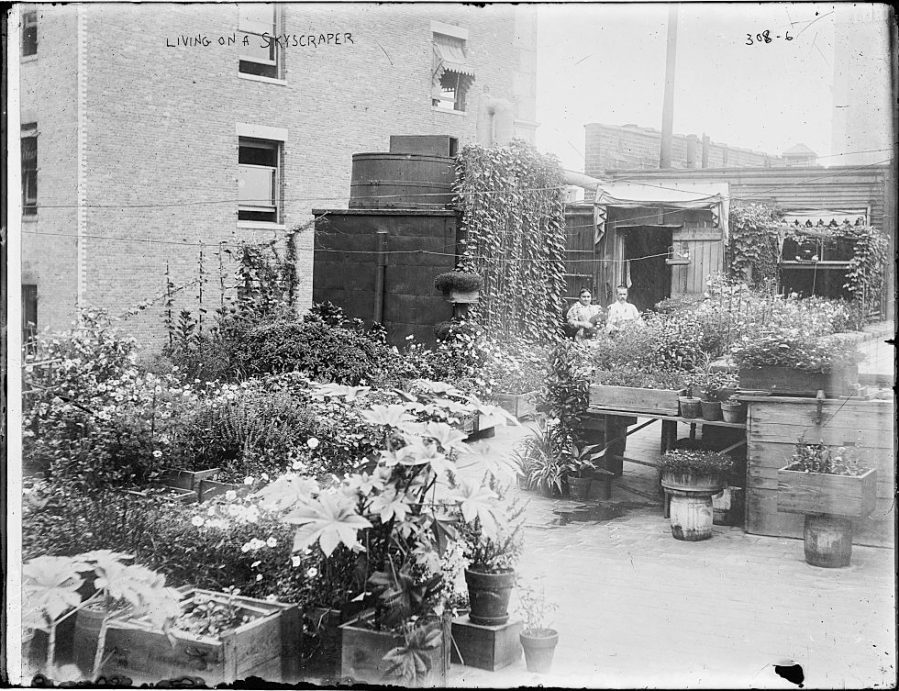
I know that may sound strange now, but as New York roared in the 1920’s and city life was the dream, nobody wanted the top floor. Those very heights eventually became a status symbol in our psyche, but in reality, they were staff quarters. Spaces not meant to be admired and certainly not worth the climb.
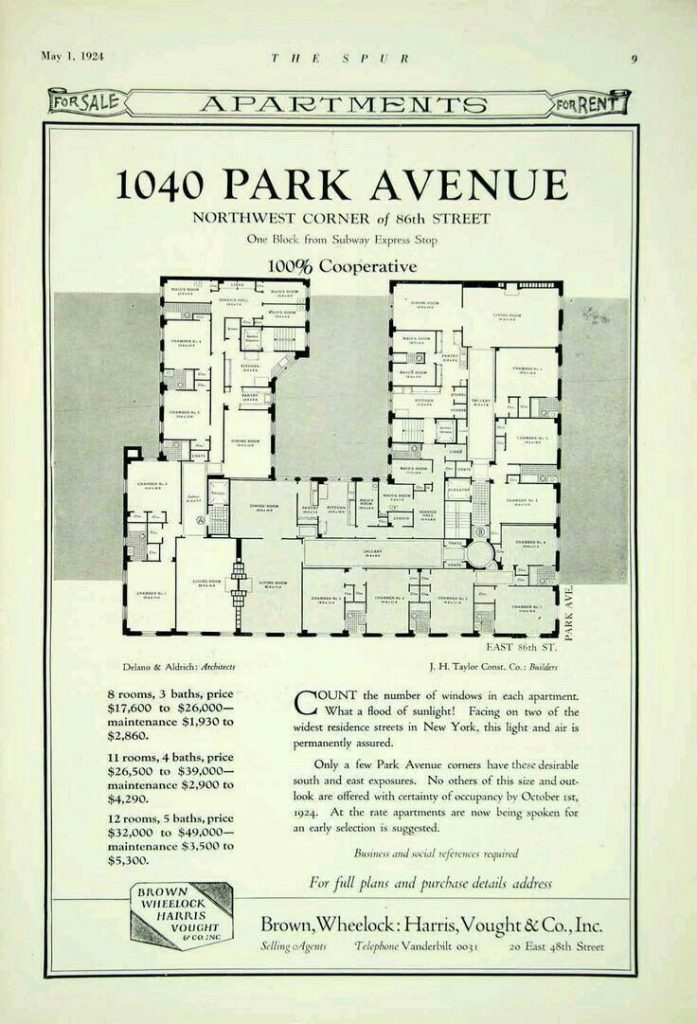
But someone saw what everyone else missed. Real estate developers in true New York fashion saw those overlooked reaches and recognized potential. The views alone were extraordinary. Picture this: unobstructed light. Stratospheric silence removed from the sidewalk chaos. And so, they rebranded. Transformed staff quarters into the crème de la crème and the penthouse was born.
I think about this often. How the most coveted addresses in the world began as afterthoughts. But isn’t that always the way? “So the last shall be first and the first last.”
In many ways, this is the origin story of APENTE. The name itself comes from apentis, the Old French root that gave us “penthouse” — a word that originally had nothing to do with luxury at all. It meant an appendage, an addition, something attached to the main structure. But words often follow power, not logic, and the penthouse now represents the pinnacle of success.
Fresh Paint / Practical Magic
I love to design homes — definitely for myself and eventually will for you. Beauty is my purpose and my first name meaning “beautiful” is a constant reminder of that. Beauty as an act of service strips some of the superficial.
As of today, I’m completing a BFA in Interior Design; my third (and final) degree after a MA in Mental Health Counseling and a BA in Psychology. Going to design school has been as enjoyable as people assume. Yes, there’s whimsy in fabric and paint swatches but the real juiciness lives in the psychology for me. Over time, I came to understand how our home is the most intimate architecture we inhabit. Home is the space that witnesses every stage of our lives. It’s where we’re most vulnerable, most ourselves, most magnificently mundane and human.
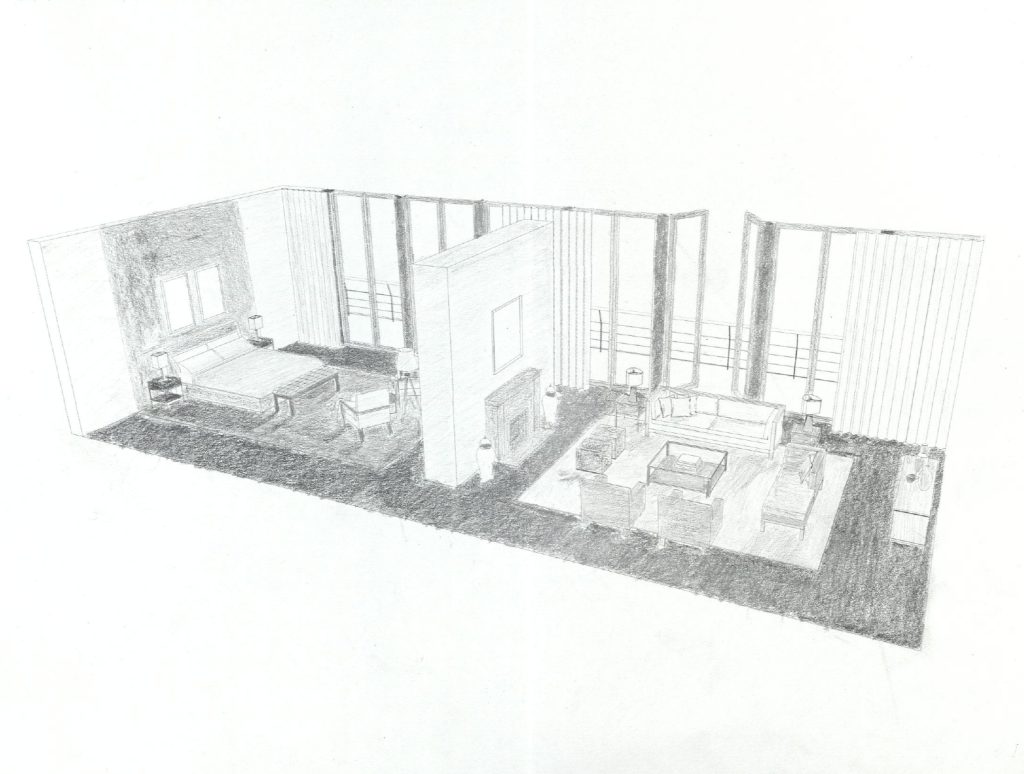
So yes, I’m interested in how you live. What do you collect? Walk me through your morning routine. Why are you even renovating in the first place?
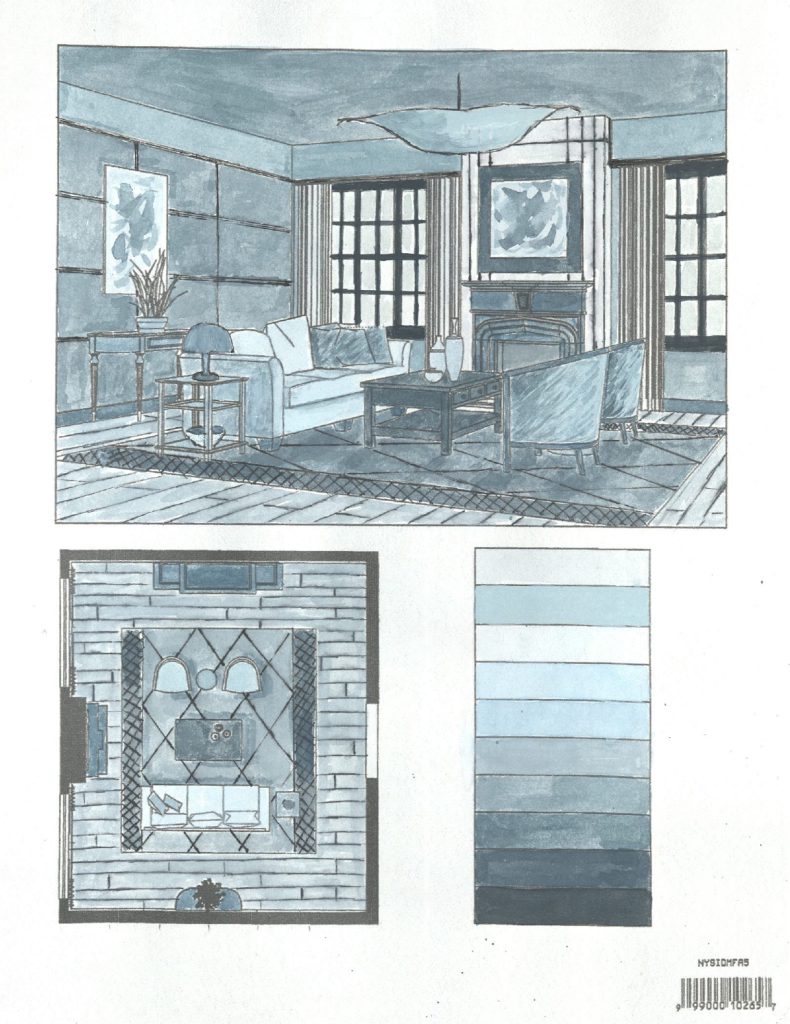
Outside of being rich in taste but poor in time, you’ll find that people change home when they’re in transition. Literally and figuratively — new baby or new life, and everything in between. Hauling home isn’t easy and renovating isn’t any better, so “why?” is a good conversation starter. I used the word “transition” earlier, but “transformation” can be a sexier swap. I’ll use myself as an example:
My first apartment marked a major life change. My search began during the height of COVID because, to keep a long story short, I really felt the crazy in “stir crazy”. Isolation breeds deepening and as a person satiated by depth, I enjoyed it. I journeyed deeper into myself through personal style, interior design, astrology, photography, music, anything to feed my creative expression. A new self was budding but my home environment was not fertile soil. It was time for a change and change, I did.
Beginner’s brain signed a lease mainly because of the ample closet space and the large window in the shower. Visions of the morning sun on my wet skin felt like a wet dream. A need more than a want. I slept for 10 hours on an air mattress on the 1st night, after weeks of not getting more than 5 hours of sleep. “I’m home”
“Home is the space that witnesses every stage of our lives. It’s where we’re most vulnerable, most ourselves, most magnificently mundane and human.”
The first year felt like a spiritual training ground. I built from nothing and maintained a daily routine of morning pages (see: The Artist Way by Julia Cameron), yoga, and smudging frankincense. My living area felt more like a dojo than a gathering space, but it was what was needed. It held me in my becoming, and if you’re sensing my sentiment, it’s because as of now, I’m still living here and maybe by tomorrow, I’ll have a new address. Why? Call it transition.
The history of the penthouse teaches us that transformation is always possible. Remember, the penthouse became a palace not through birthright but through vision. All by way of someone understanding that with knowledge, intention, and a willingness to see differently, any space can become extraordinary. Especially yours.
The Eyes of the Skin
“Every touching experience of architecture is multi-sensory; qualities of space, matter and scale are measured equally by the eye, ear, nose, skin, tongue, skeleton and muscle. Architecture strengthens the existential experience, one’s sense of being in the world, and this is essentially a strengthened experience of self.”
— Juhani Pallasmaa, The Eyes of the Skin (1996)
My first visit to Casa Valle, a design showroom in New York, felt like love at first sight but that came at no surprise. Upon entering, I first noticed the parchment wallpaper, Antoni Gaudí-style chairs, and an inviting living area drenched with rich colors. After friendly conversation with the manager, I found my way to the cellar where I stepped into a library that was something out of this world.
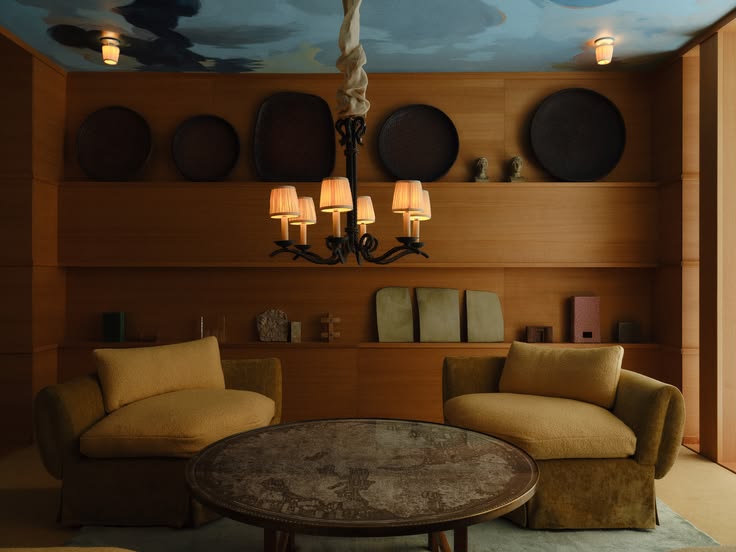
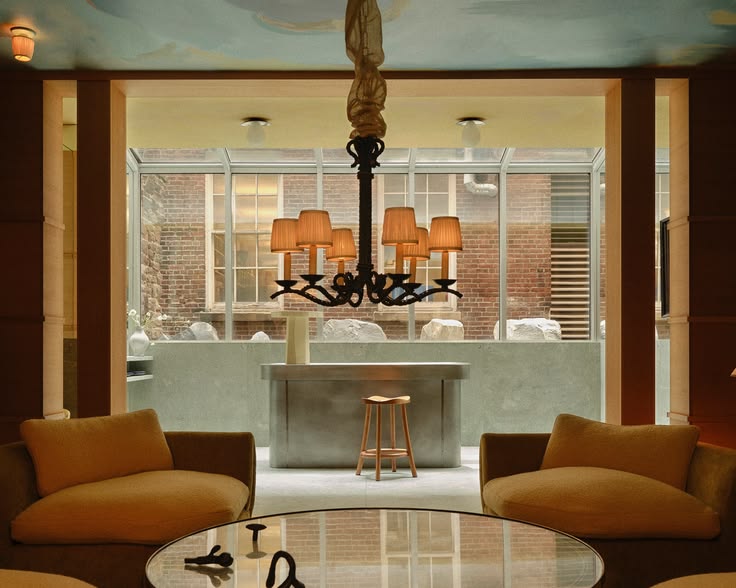
The ceiling stopped me first. Painted in layered colors the way clouds look from below on a day in July. I stood there for a moment just looking up, which is not something I do enough, then noticed beneath my feet. The rugs were stacked; jute underneath cut pile wool accentuating the contrasting texture. The cocooned library opened to a sky room that felt like a greenhouse carved in the middle of a concrete jungle. Where was I?
Somewhere between the architecture and the feeling of it. It wasn’t until later that I found Pallasmaa’s words and recognized the experience I’d already had. He’d described it thirty years earlier; the idea that architecture doesn’t just ask to be looked at, but asks to be experienced with every sense. Yes, even taste. He describes the feeling of salivating because of the desire to touch something. I’ve heard someone describe that same sensation, instead because of the desire for someone, but I digress.
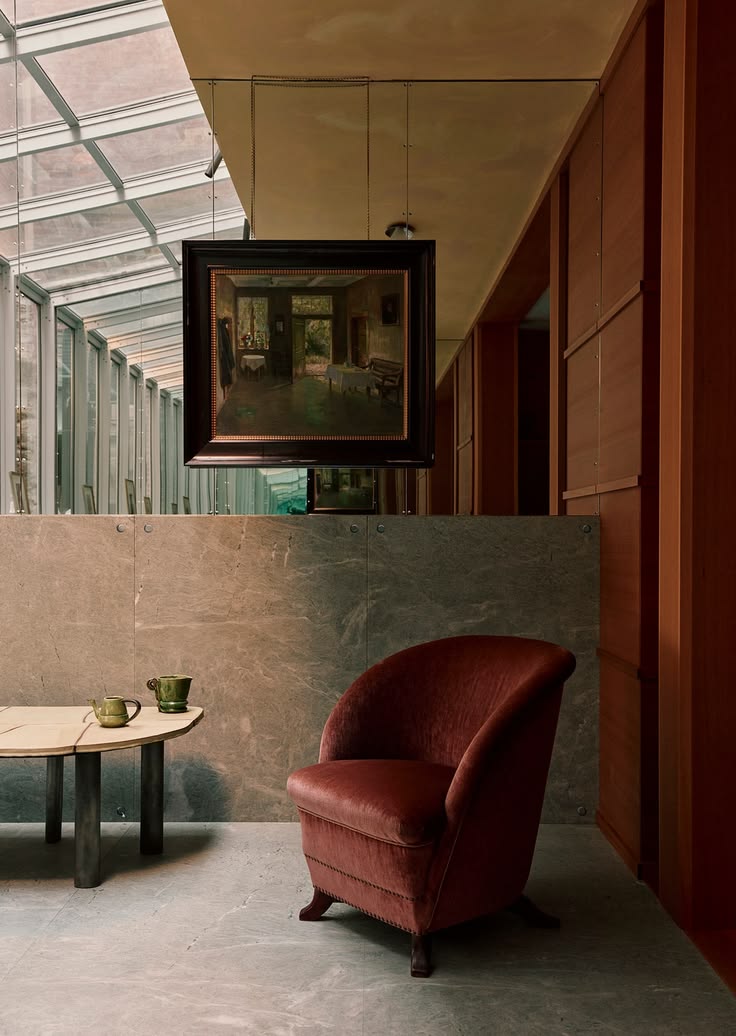
Great design satisfies all of our senses and APENTE is built on that belief. The lovely part about mastering sense is that it goes beyond the visual. It bleeds into the music we put on to work, the perfume we reach for when we want to feel like ourselves. Personally, I avoid gourmand scents because ain’t sh*t sweet around here. No seriously, ain’t sh*t sweet — I prefer fresh and feral aphrodisiacs like jasmine and patchouli. That’s the self-fluency we’re building here, beyond beautiful spaces and toward sensual lives.
The Education of Desire
Beyond a design studio, I envision APENTE as a school for the Education of Desire. Lesson 101? “Why Do I Like This?”
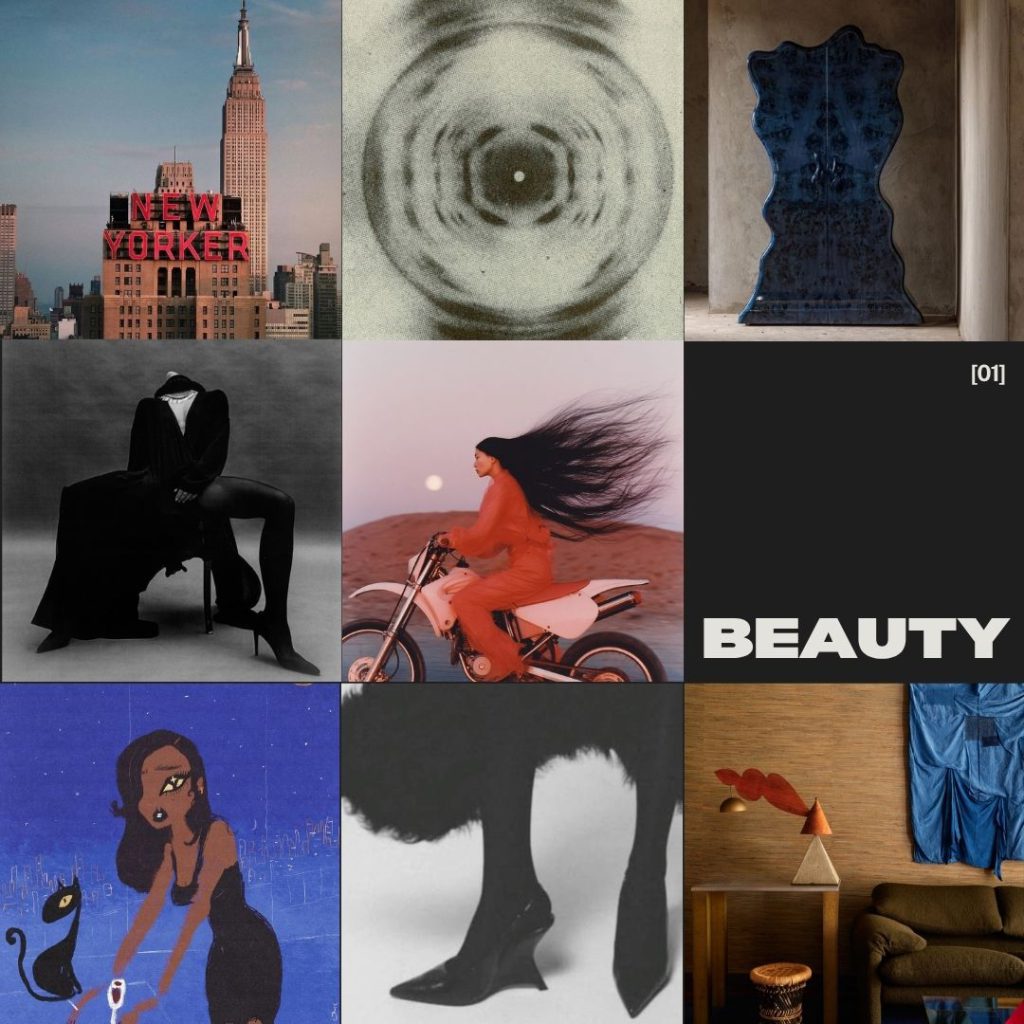
Becoming educated on our desires means learning to trust our taste. The raw, primal energy that captures our attention without logic. Desire is already in us. The education is the process of gaining the knowledge and vocabulary to articulate it with confidence.
Kelly Wearstler once compared this to having a crush. A cheeky comparison but a real one because we all can relate. One of the most intoxicating life experiences is having feelings for a person without knowing why, but just knowing. Over time, the patterns of their personality clue us in and suddenly the why is clear because we paid attention to our responses. Just like we eventually figure out our types in people, we figure out what we like about interiors. And that understanding grows deeper the more we inhabit, experiment, and study.
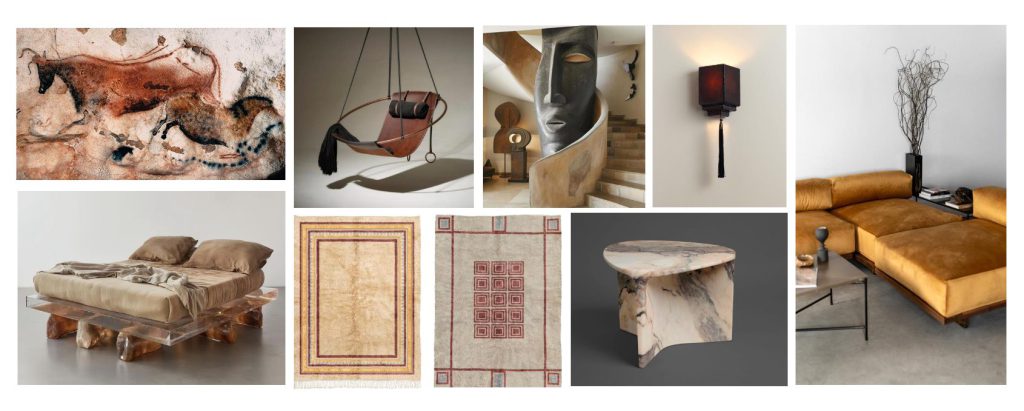
The curriculum won’t be a dread since curiosity comes with fun. We’ll move through interiors in the same adventurous way we move through a new city. Some days will be theoretical, some days entirely tactile. A rabbit hole here, a realization there. The education looks different every time but the question stays the same: why do I like this?
So when I say school, think less lecture halls and more campus life. On gathering and conversation for inspiration and exchange. It’s no coincidence that “communication” and “community” have the same Latin root, communis, which means to have in common, to share. You can’t have one without the other.
A Seat at the Table
A party is nothing without its guests, and guests are simply people who share a common interest. The best part about hosting this party is learning what we’ll have in common beyond a shared love for design.
I saved a seat for anyone who moves through the world with their senses first. For those who believe that a thoughtful menu, or the right candle in the right room at the right hour – are small things that make a life feel lived. And understands that beauty is more of a language than a luxury that you were born to speak fluently your entire life.
If you’re one of those people, meet me upstairs in the penthouse. Get acquainted. There’s a place for you here, and there has been for a while.
Keep Looking Up
— J.